


 English
 Español
 Portugues
 Pусский
 Français
 Deutsch
 日本語
日本語 한국어
한국어 العربية
 Italiano
 Nederlands
 Polski
 Türk dili
 हिन्दी
 Indonesia
 Melayu
 Tiếng Việt
 বাংলা
বাংলা


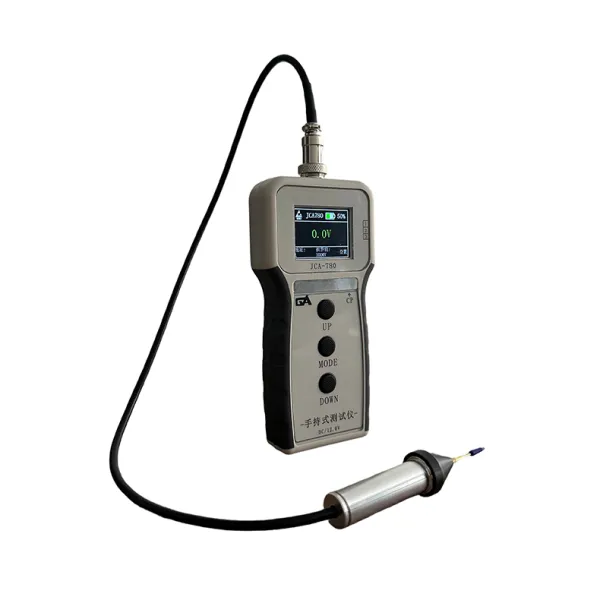


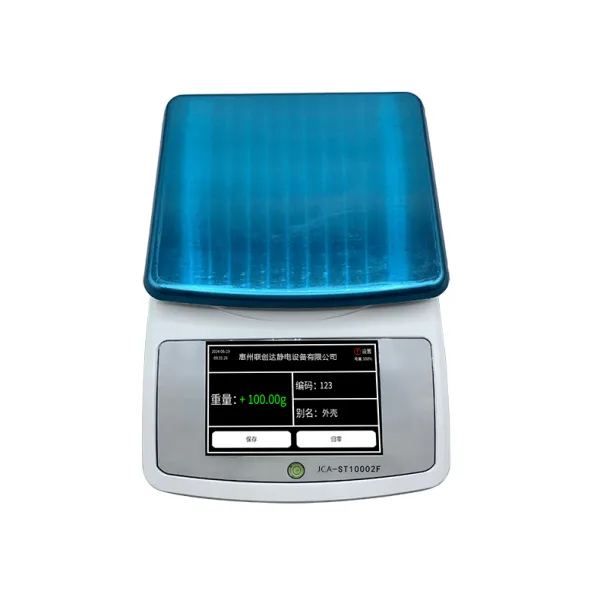
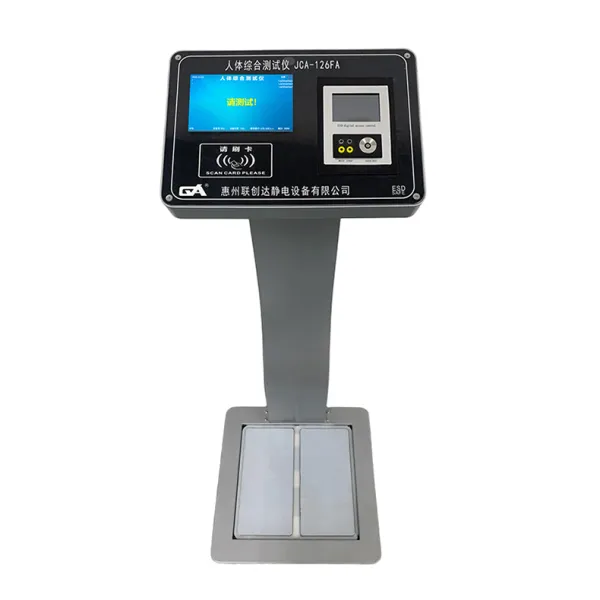
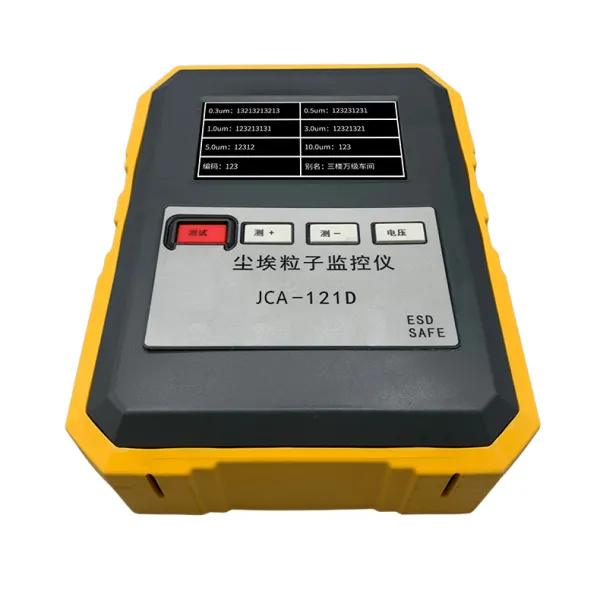



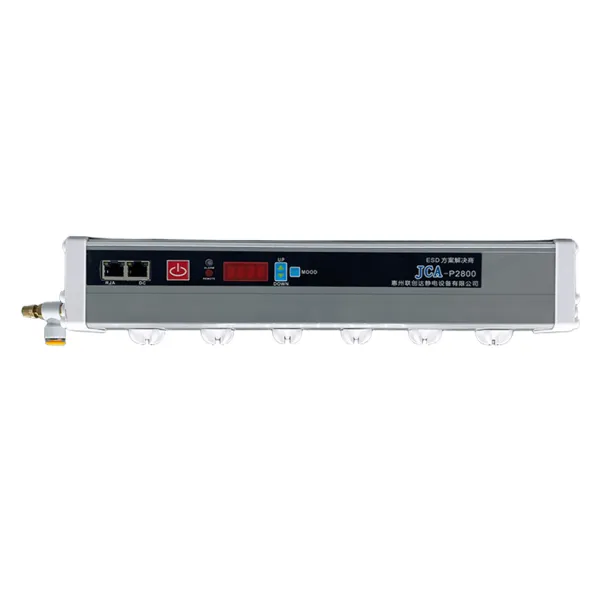

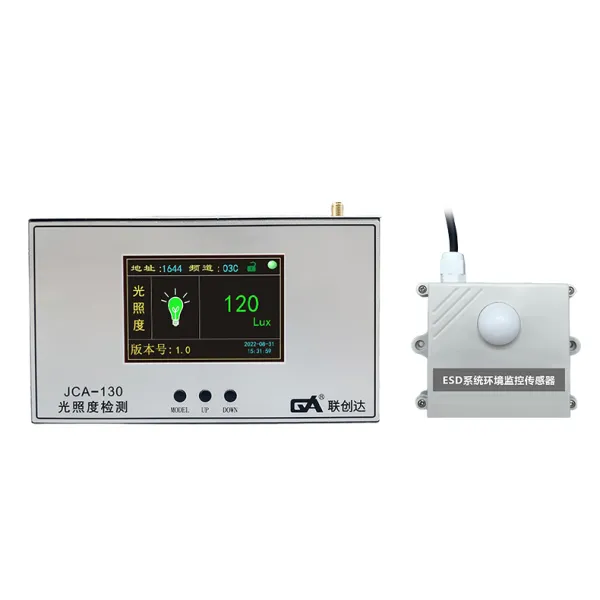

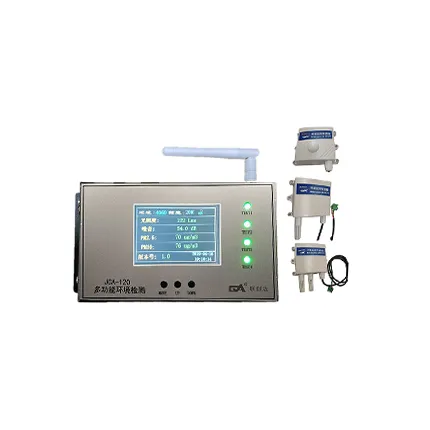
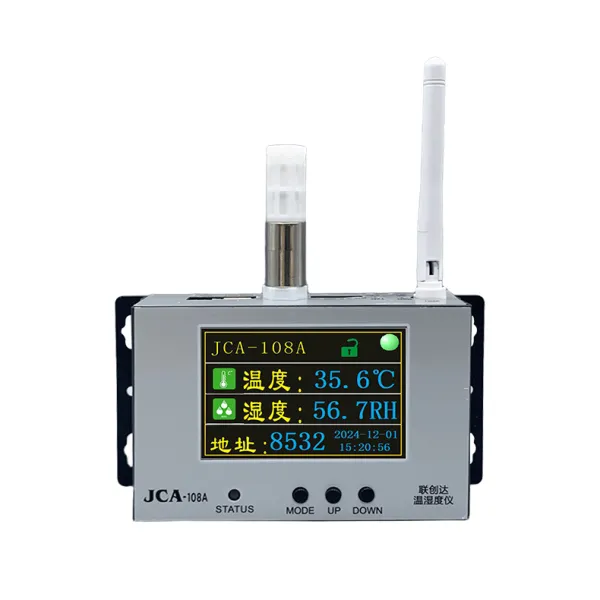
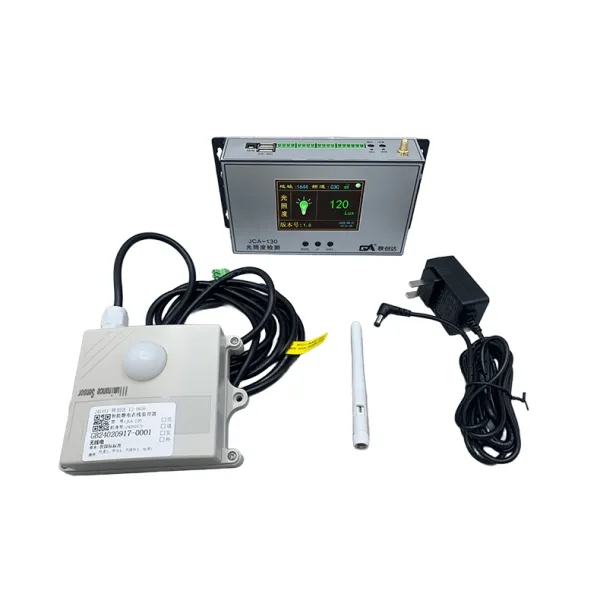


Iron Soldering Thermometer
Iron Soldering Thermometer: A Comprehensive Overview An iron soldering thermometer is an essential tool used in electronics, metalwork, and various industrial applications to monitor and regulate the temperature of soldering irons. Accurate temperature control is critical in soldering to ensure strong, reliable joints while preventing damage to sensitive components. This device helps users maintain optimal soldering conditions, improving efficiency and quality. Functionality and Design A soldering thermometer typically consists of a temperature sensor, a digital or analog display, and a probe that attaches to the soldering iron’s tip. The sensor measures the heat emitted by the iron and relays the data to the display unit, allowing the user to adjust the temperature as needed. Some advanced models feature adjustable alarms, data logging, and wireless connectivity for real-time monitoring. The probe is usually made of heat-resistant materials like stainless steel or ceramic to withstand high temperatures. The display unit may be compact and portable, making it convenient for both workshop and field use. Digital thermometers offer higher precision, often with readings accurate to within ±1°C, while analog versions provide a simpler, more cost-effective solution. Applications and Benefits 1. Electronics Repair and Assembly – Ensures precise soldering temperatures for delicate circuit boards, preventing overheating that can damage components. 2. Jewelry and Metalwork – Helps maintain consistent heat for joining metals without warping or weakening the material. 3. Quality Control – Used in manufacturing to verify that soldering irons meet industry standards. Key benefits include: - Precision – Prevents cold joints (from insufficient heat) or burnt components (from excessive heat). - Consistency – Ensures uniform temperature across multiple work sessions. - Durability – Extends the lifespan of soldering tips by preventing overheating. Selection and Usage Tips When choosing a soldering thermometer, consider: - Temperature Range – Should cover the typical soldering range (150°C to 450°C). - Response Time – Faster sensors provide quicker adjustments. - Compatibility – Ensure the probe fits the soldering iron tip securely. To use, simply attach the probe to the iron’s tip, power on the thermometer, and monitor the readings. Adjust the soldering iron’s temperature setting until the desired level is achieved. Regular calibration checks ensure long-term accuracy. Conclusion An iron soldering thermometer is a vital tool for professionals and hobbyists alike, enhancing soldering precision and efficiency. By providing real-time temperature feedback, it helps prevent errors and improves the quality of solder joints. Whether for electronics, jewelry, or industrial applications, investing in a reliable thermometer ensures better results and prolonged equipment life.
สินค้า
การจัดหมวดหมู่:
-
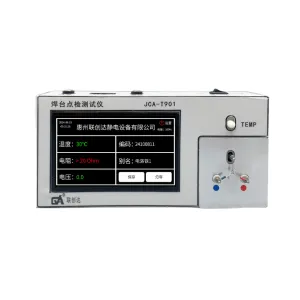
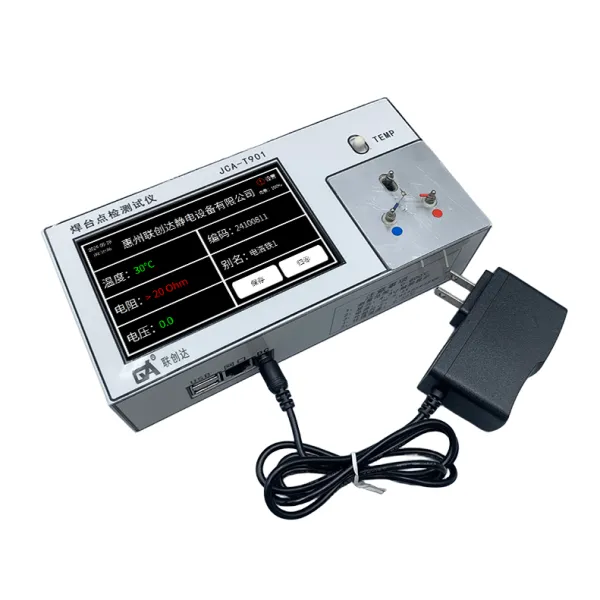
JCA-T901 Soldering Station Spot Detection Tester: Real-time Monitoring of Leakage Voltage with a Temperature Range of 0-600℃, and Network-enabled Data Transmission
การจัดหมวดหมู่: Instrument detectionเข้าชม: 18จำนวน:เวลาเผยแพร่: 2025-11-13 11:37:44Product OverviewThis is a newly developed multifunctional device specifically engineered for the detection and data management of soldering stations. It accurately captures and records soldering station temperature data, retrieves the station’s unique identifier via barcode/QR code scanning, and automatically matches and archives corresponding test parameters. All data is seamlessly transmitted to computers via network connection for centralized storage and convenient later querying, effectively eliminating human errors associated with manual recording and ensuring data integrity.Product Featu...
ข่าว
การจัดหมวดหมู่:
ไม่มีผลการค้นหา!
กรณี
การจัดหมวดหมู่:
ไม่มีผลการค้นหา!
วีดีโอ
การจัดหมวดหมู่:
ไม่มีผลการค้นหา!
ดาวน์โหลด
การจัดหมวดหมู่:
ไม่มีผลการค้นหา!
รับสมัครงาน
การจัดหมวดหมู่:
ไม่มีผลการค้นหา!
ผลิตภัณฑ์ที่แนะนำ
ไม่มีผลการค้นหา!



 วอทส์แอพพ์
 โทรศัพท์