


 English
 Español
 Portugues
 Pусский
 Français
 Deutsch
 日本語
日本語 한국어
한국어 العربية
 Italiano
 Nederlands
 Polski
 Türk dili
 हिन्दी
 Indonesia
 Melayu
 Tiếng Việt
 বাংলা
বাংলা




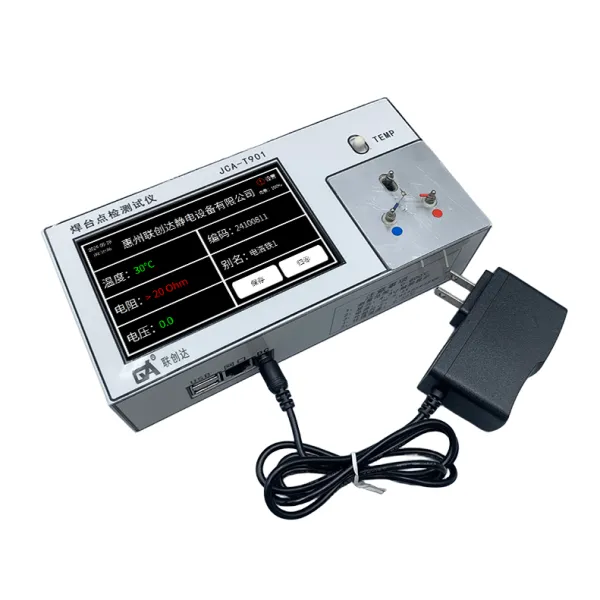
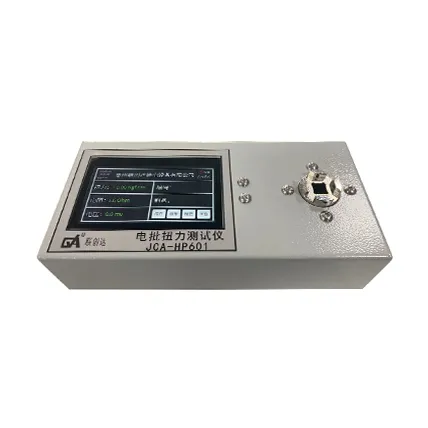
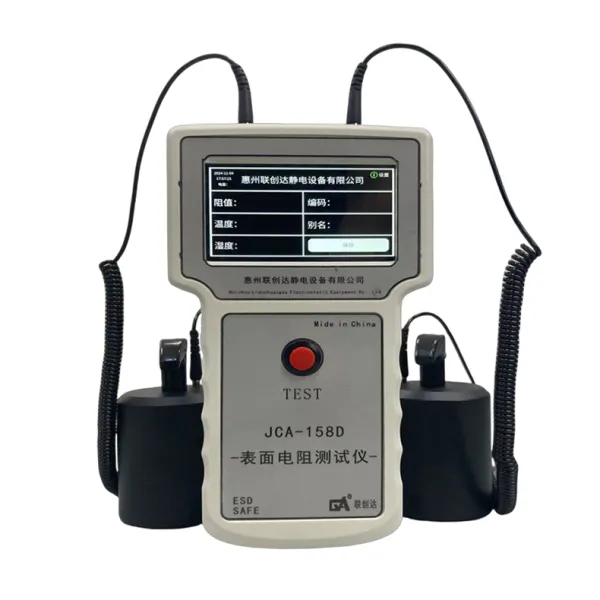
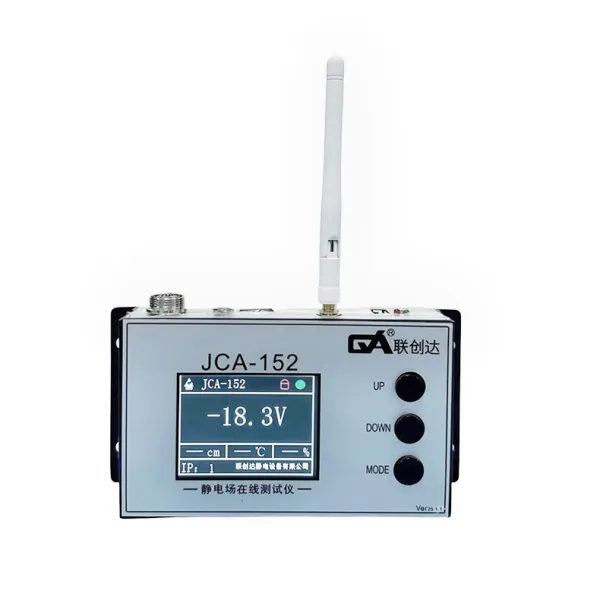







Heavy Hammer Resistance Tester
Heavy Hammer Resistance Tester: An Overview The Heavy Hammer Resistance Tester is a specialized testing instrument designed to evaluate the impact resistance and durability of various materials, particularly those used in construction, automotive, and industrial applications. This device simulates real-world impact conditions by delivering controlled, high-energy blows to test specimens, allowing manufacturers and researchers to assess how materials withstand heavy impacts and mechanical stress. Key Features and Components 1. Robust Construction: The tester is built with a sturdy frame and heavy-duty components to ensure stability during high-impact testing. It typically includes a rigid base, vertical guide rails, and a hammer mechanism capable of delivering precise, repeatable impacts. 2. Adjustable Hammer System: The device features a weighted hammer that can be adjusted in terms of mass and drop height, enabling customization of impact energy based on testing requirements. This flexibility allows for compliance with various international testing standards. 3. Precision Measurement: Integrated sensors and data acquisition systems record impact force, deformation, and energy absorption, providing quantitative results for material performance analysis. 4. Safety Mechanisms: To protect operators, the tester includes safety interlocks, emergency stop buttons, and protective enclosures to prevent accidental contact with moving parts. Applications The Heavy Hammer Resistance Tester is widely used in industries where material toughness is critical: - Construction Materials: Evaluates the impact resistance of concrete, bricks, tiles, and other structural components. - Automotive Components: Tests the durability of bumpers, windshields, and body panels under simulated collision conditions. - Packaging Materials: Assesses the shock-absorbing properties of protective packaging to ensure product safety during transportation. - Aerospace and Defense: Verifies the impact resistance of composite materials used in aircraft and military applications. Testing Standards The device complies with international standards such as ASTM, ISO, and EN, ensuring reliable and repeatable test results. Common test methods include: - Free-fall impact testing (e.g., ASTM D7136 for composites). - Pendulum impact testing (e.g., ISO 179 for plastics). - Drop-weight impact testing (e.g., ASTM D3763 for polymer films). Advantages - High Repeatability: Ensures consistent test conditions for accurate comparisons. - User-Friendly Interface: Modern testers feature digital controls, touchscreen displays, and automated data logging for ease of use. - Versatility: Adaptable to different materials and testing scenarios with interchangeable hammers and fixtures. Conclusion The Heavy Hammer Resistance Tester is an essential tool for quality control and research, helping industries develop safer, more durable materials. By simulating real-world impact scenarios, it provides critical insights into material behavior, enabling manufacturers to improve product performance and meet regulatory requirements. Its precision, safety features, and adaptability make it indispensable in material testing laboratories worldwide.
สินค้า
การจัดหมวดหมู่:
ไม่มีผลการค้นหา!
ข่าว
การจัดหมวดหมู่:
-
[Technical knowledge]A Beginner's Guide to Using an Electrostatic Voltage Tester
2025-11-13 09:54:17
กรณี
การจัดหมวดหมู่:
ไม่มีผลการค้นหา!
วีดีโอ
การจัดหมวดหมู่:
ไม่มีผลการค้นหา!
ดาวน์โหลด
การจัดหมวดหมู่:
ไม่มีผลการค้นหา!
รับสมัครงาน
การจัดหมวดหมู่:
ไม่มีผลการค้นหา!
ผลิตภัณฑ์ที่แนะนำ
ไม่มีผลการค้นหา!



 วอทส์แอพพ์
 โทรศัพท์