Is It Okay to Sleep in a Room with an Air Purifier?
Industry Background and Market Demand
The global air purifier market has grown significantly in recent years, driven by increasing awareness of indoor air quality (IAQ) and its impact on health. According to industry reports, demand for residential air purifiers surged during the COVID-19 pandemic, as consumers sought solutions to reduce airborne contaminants. Today, concerns about allergens, volatile organic compounds (VOCs), and particulate matter (PM2.5) continue to fuel adoption, particularly in urban areas with high pollution levels.
One common question among consumers is whether sleeping with an air purifier running is safe or beneficial. This concern stems from factors such as noise levels, ozone emissions, and long-term exposure to filtered air. Understanding the technical aspects of air purifiers can help clarify these issues.
Core Concepts and Key Technologies
Modern air purifiers primarily use three filtration technologies:
1. HEPA (High-Efficiency Particulate Air) Filters – Capture particles as small as 0.3 microns with 99.97% efficiency, including dust, pollen, and pet dander.
2. Activated Carbon Filters – Adsorb gases, odors, and VOCs through chemical bonding.
3. Ionizers and UV-C Light – Some models use ionization to charge particles for easier capture, while UV-C light neutralizes bacteria and viruses.
Ozone-generating purifiers, though effective against odors, are discouraged for bedroom use due to potential respiratory irritation.
Product Structure and Performance Factors
The performance of an air purifier depends on several engineering considerations:
- CADR (Clean Air Delivery Rate) – Measures how quickly a unit can filter air in a given space. A higher CADR is preferable for larger rooms.
- Noise Levels – Expressed in decibels (dB), with quieter models (below 30 dB) being ideal for nighttime use.
- Filter Longevity – HEPA filters typically last 6–12 months, while carbon filters require replacement every 3–6 months.
- Energy Consumption – ENERGY STAR-certified models optimize power usage for continuous operation.
Key Factors Affecting Performance
Several variables influence whether an air purifier is suitable for bedroom use:
1. Room Size vs. Purifier Capacity – Undersized units may not effectively circulate air, while oversized ones could generate unnecessary noise.
2. Placement – Positioning the device near the bed ensures better air circulation but may increase noise exposure.
3. Maintenance – Clogged filters reduce efficiency and may release trapped particles back into the air.
4. Ozone Emissions – Some electrostatic precipitators emit trace ozone, which can irritate lungs over time.
Common Concerns and Industry Pain Points
Despite their benefits, air purifiers present challenges:
- Noise Disruption – Cheaper models may produce audible fan vibrations, disturbing light sleepers.
- Filter Costs – Frequent replacements add to long-term ownership expenses.
- False Claims – Some manufacturers exaggerate CADR ratings or filtration efficiency.
Application Scenarios and Use Cases
In residential settings, air purifiers are commonly used in:
- Bedrooms – To reduce allergens and improve sleep quality for asthma or allergy sufferers.
- Nurseries – Parents often use purifiers to minimize infant exposure to airborne irritants.
- Home Offices – Enhanced IAQ can improve cognitive performance and reduce fatigue.
Current Trends and Future Developments
The air purification industry is evolving with advancements in:
- Smart Sensors – IoT-enabled purifiers adjust fan speed based on real-time air quality data.
- Eco-Friendly Materials – Biodegradable filters and energy-efficient designs are gaining traction.
- Multi-Functional Devices – Some units now integrate humidifiers or aromatherapy diffusers.
FAQ
Q: Can an air purifier run all night?
A: Yes, provided it operates quietly (under 30 dB) and does not emit ozone.
Q: Do air purifiers dry out the air?
A: Unlike dehumidifiers, purifiers do not significantly reduce humidity.
Q: How often should filters be replaced?
A: HEPA filters typically last 6–12 months, depending on usage and pollutant levels.
Conclusion
Sleeping in a room with an air purifier is generally safe and beneficial, assuming the device is appropriately sized, well-maintained, and free from ozone emissions. Consumers should prioritize models with low noise levels and verified CADR ratings to ensure optimal performance. As technology advances, smarter and more sustainable solutions will further enhance the role of air purifiers in improving indoor air quality.


 English
 Español
 Portugues
 Pусский
 Français
 Deutsch
 日本語
日本語 한국어
한국어 العربية
 Italiano
 Nederlands
 Polski
 Türk dili
 हिन्दी
 Indonesia
 Melayu
 Tiếng Việt
 বাংলা
বাংলা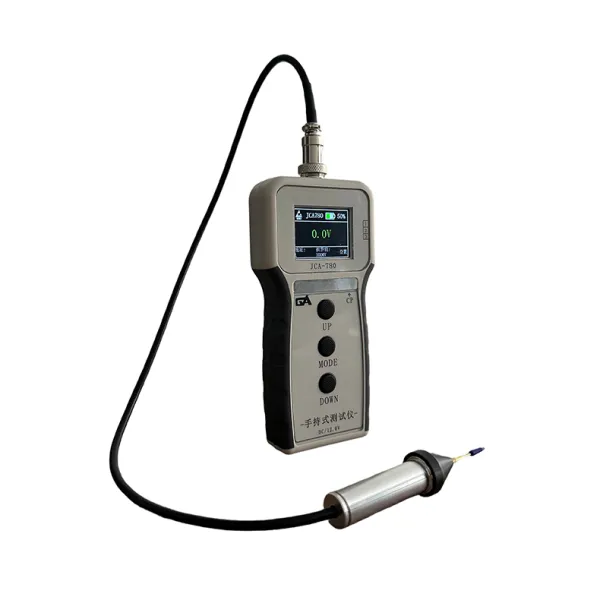 เครื่องทดสอบตัวนำไฟฟ้าแบบแยกขนาดกะทัดรัดแบบพกพา - มิเตอร์วัดแรงดันไฟฟ้าคงที่ที่แม่นยำพร้อมการทำงานแบบหน้าจอสัมผัส
 เครื่องทดสอบ ESD แบบพกพาแบบสัมผัส - เครื่องมือตรวจจับไฟฟ้าสถิตที่แม่นยำ
 สถานีบัดกรีอัจฉริยะความถี่สูงป้องกันไฟฟ้าสถิต - หัวแร้งไร้สารตะกั่วเกรดอุตสาหกรรมสำหรับการซ่อมทางอิเล็กทรอนิกส์
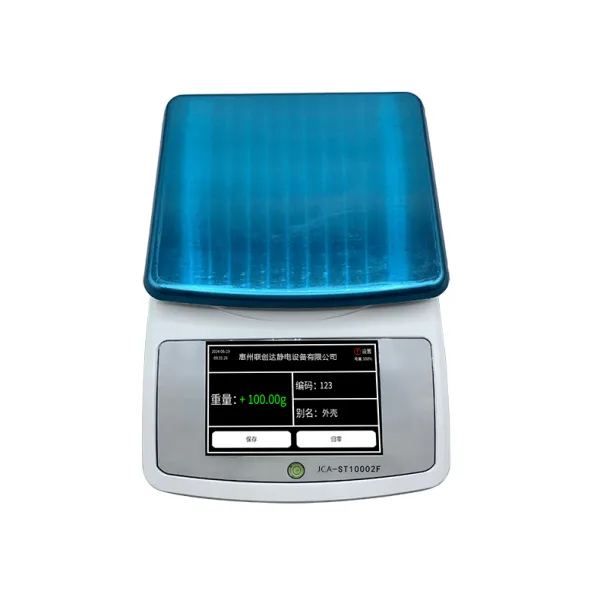 เครื่องชั่งอุตสาหกรรมที่มีความแม่นยำน้ำหนักเบา - การชั่งน้ำหนักความแม่นยำสูงแบบพกพา การบันทึกข้อมูลรหัส QR
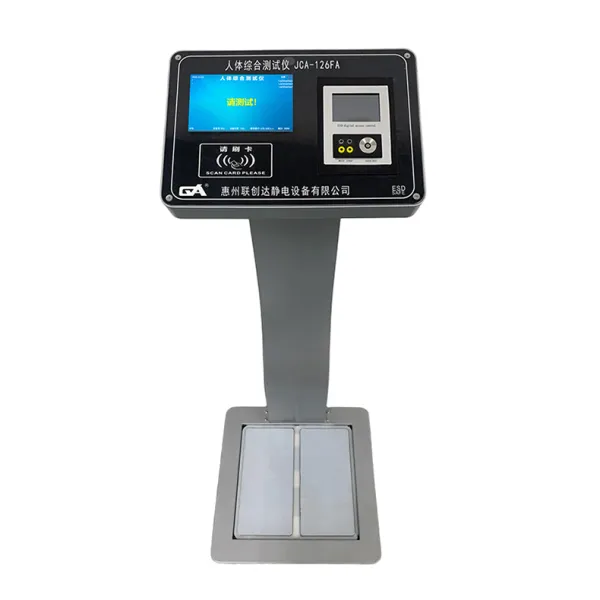 เครื่องมือทดสอบที่ครอบคลุมร่างกายมนุษย์ Pro ESD - ประตูทางเข้าป้องกันไฟฟ้าสถิตพร้อมระบบจดจำไบโอเมตริกซ์และการ์ด
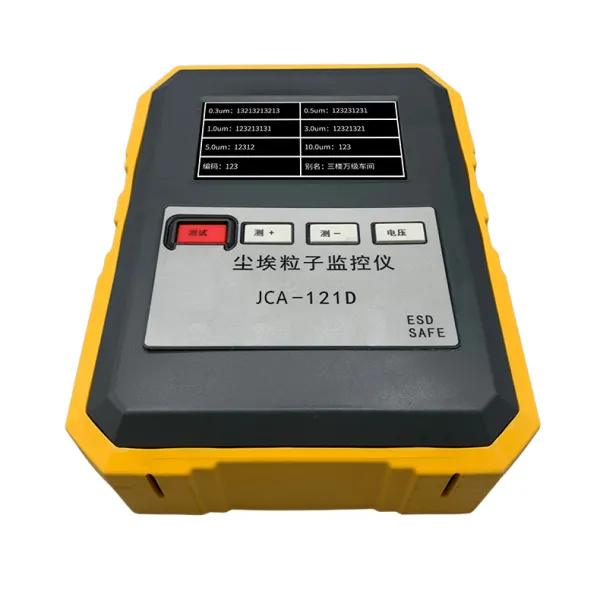 Lianchuangda Portable Particle Counter - เครื่องทดสอบความสะอาดอากาศเฉพาะห้องคลีนรูม
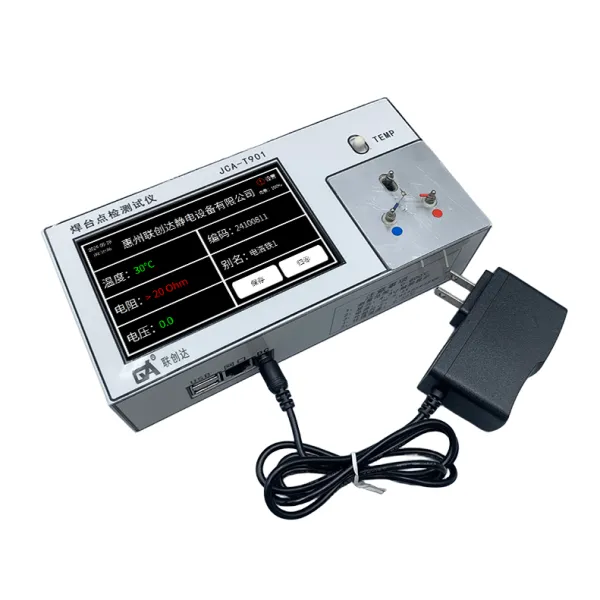 Lianchuangda เครื่องทดสอบความดันสิ่งแวดล้อมจอแสดงผลดิจิตอลไร้สายและการตรวจสอบสายดิน
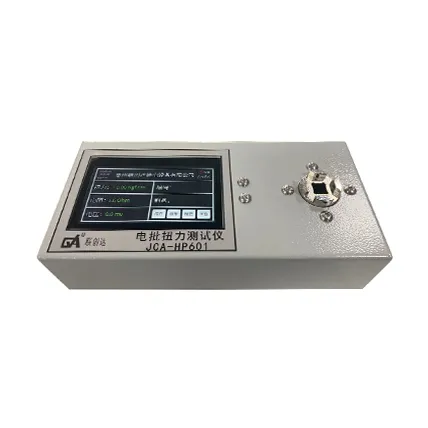 เครื่องทดสอบแรงบิดไขควงไฟฟ้าแบบดิจิตอล - การวัดที่แม่นยำ การจัดเก็บข้อมูลอัจฉริยะ
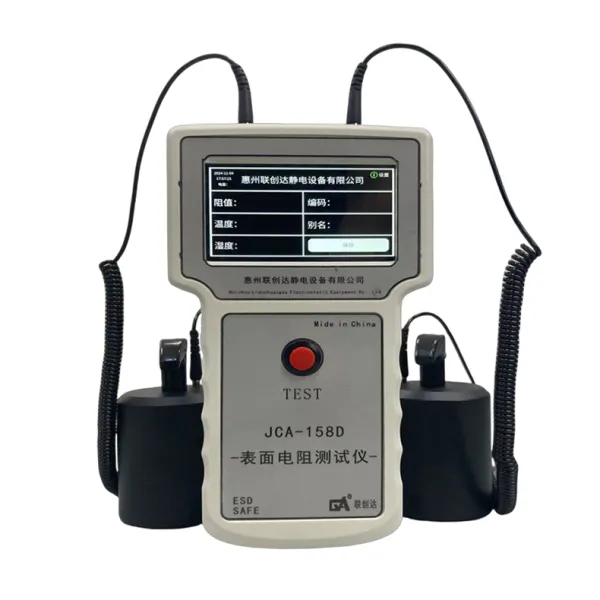 เครื่องทดสอบความต้านทานพื้นผิวค้อนแบบพกพา - เมกะโอห์มมิเตอร์อุตสาหกรรมอัจฉริยะพร้อมระบบเครือข่ายข้อมูล
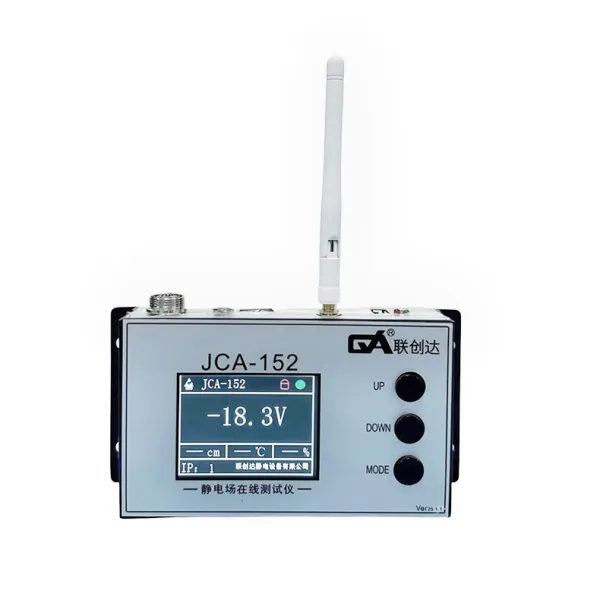 เครื่องมือทดสอบภาคสนาม ESD แบบไร้สาย - การตรวจสอบแรงดันไฟฟ้าแบบเรียลไทม์ ติดตั้งง่าย และการใช้งานด้วยภาพ
 เครื่องทดสอบไฟฟ้าสถิตพัดลมไอออนไร้สายหน้าจอสีพร้อมการวัดแรงดันไฟฟ้าและการส่งข้อมูล
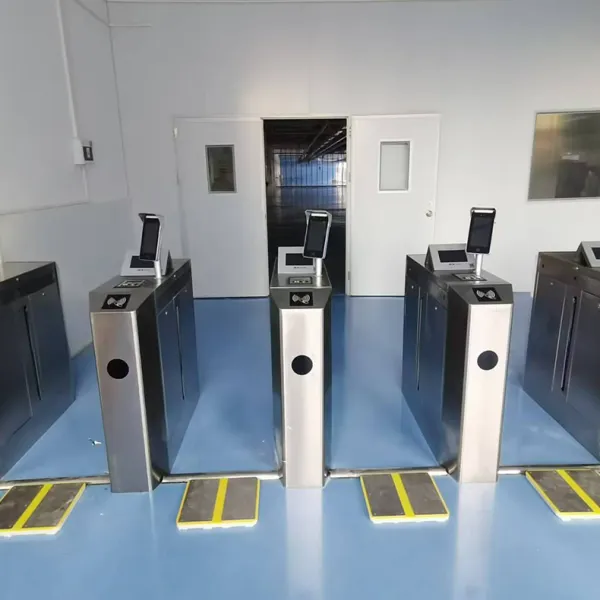 Lianchuangda Test ประตูหมุนควบคุมการเข้าถึงป้องกันไฟฟ้าสถิต JCA-S106 รองรับฐานข้อมูล MySQL
 พัดลมไอออน DC 3 หัวแบบแขวน - เครื่องกำจัดไฟฟ้าสถิตแบบเงียบอัจฉริยะ ปรับแต่งได้
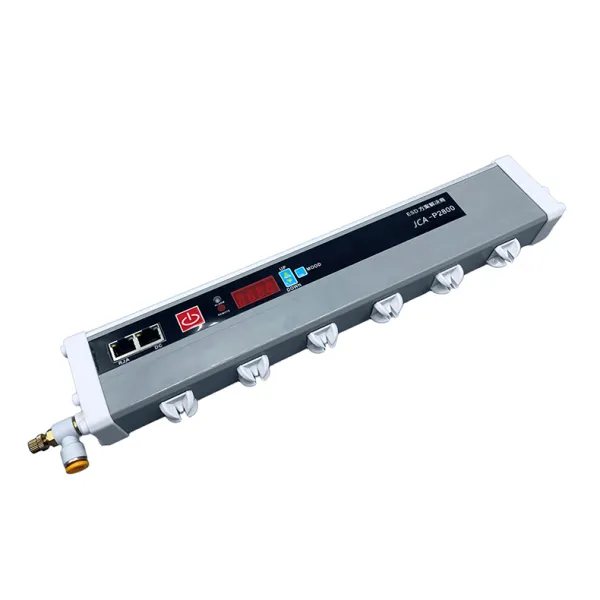 แถบอากาศไอออน ESD ชนิดพัลส์ - เครื่องกำจัดไฟฟ้าสถิตเฉพาะทางอุตสาหกรรมสำหรับการกำจัด ESD
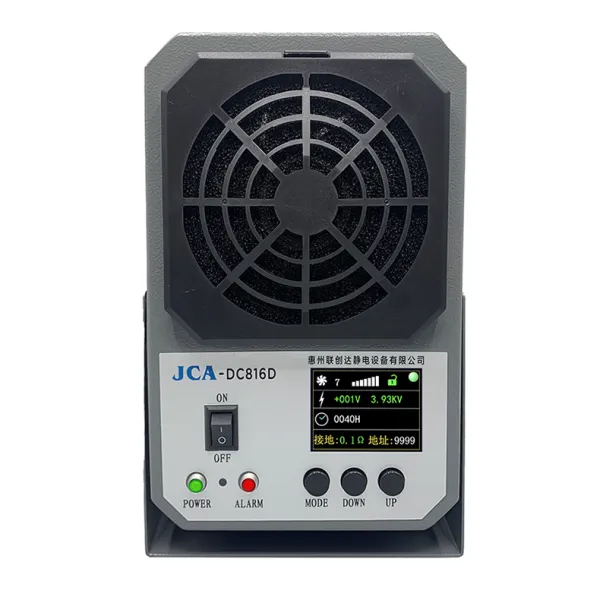 พัดลมไอออน DC อัจฉริยะ Lianchuangda - เครื่องกำจัดไฟฟ้าสถิตระดับอุตสาหกรรมสำหรับโรงงาน
 พัดลมไอออนแบบหัวเดียว DC ตั้งโต๊ะ - เครื่องกำจัดไฟฟ้าสถิตระดับมืออาชีพพร้อมการเชื่อมต่อเครือข่ายไร้สาย
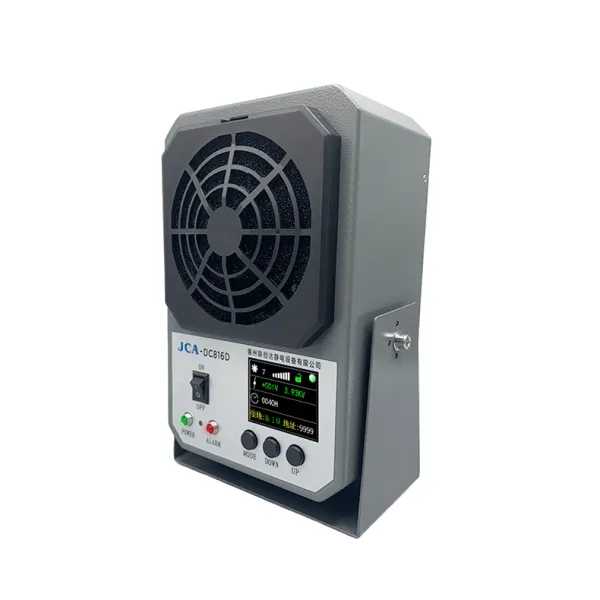 การประชุมเชิงปฏิบัติการผู้ผลิตพัดลมไอออน DC อัจฉริยะ อุปกรณ์กำจัดไฟฟ้าสถิตเกรดอุตสาหกรรมป้องกันไฟฟ้าสถิตย์แบบอิเล็กทรอนิกส์
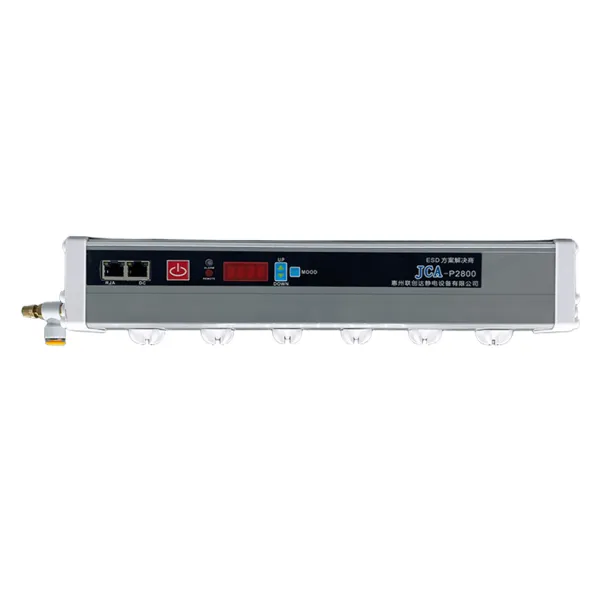 เครื่องกำจัดไฟฟ้าสถิตอุตสาหกรรม เครื่องกำจัดไฟฟ้าสถิตแบบแถบอากาศไอออนป้องกันไฟฟ้าสถิตแบบพัลส์
 หน้าจอสีขนาด 2.2 นิ้วพัดลมไอออนสามช่องลมป้องกันไฟฟ้าสถิตย์ช่วยลดไฟฟ้าสถิต
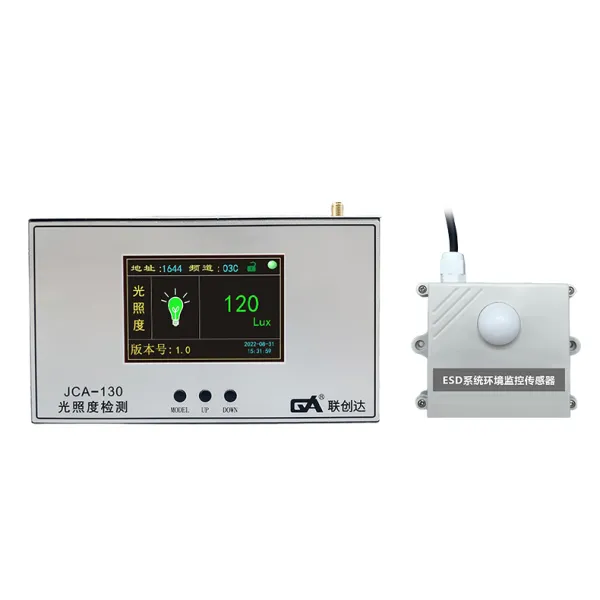 เครื่องวัดลักซ์ดิจิตอลไร้สายจอ LCD สีขนาด 3.5 นิ้ว - เครื่องตรวจจับสภาพแวดล้อมที่มีความแม่นยำสูงพร้อมการเชื่อมต่อเครือข่าย
 ระบบแจ้งเตือนการตรวจจับเสียงรบกวนไร้สายอัจฉริยะ - เครื่องมือทดสอบดิจิตอลสำหรับการตรวจสอบสภาพแวดล้อมด้วยระบบเครือข่าย
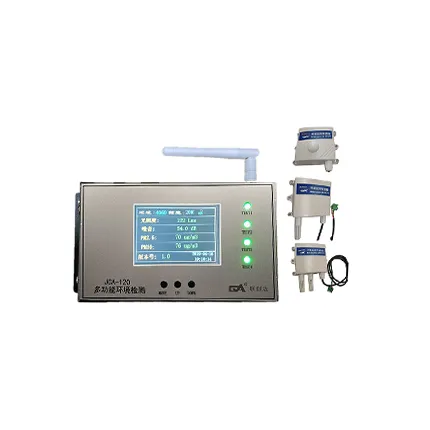 เครื่องตรวจจับสิ่งแวดล้อมอเนกประสงค์ไร้สาย LCD สีขนาด 3.5 นิ้ว - เครื่องทดสอบอนุภาคฝุ่นพร้อมการเชื่อมต่อ WiFi
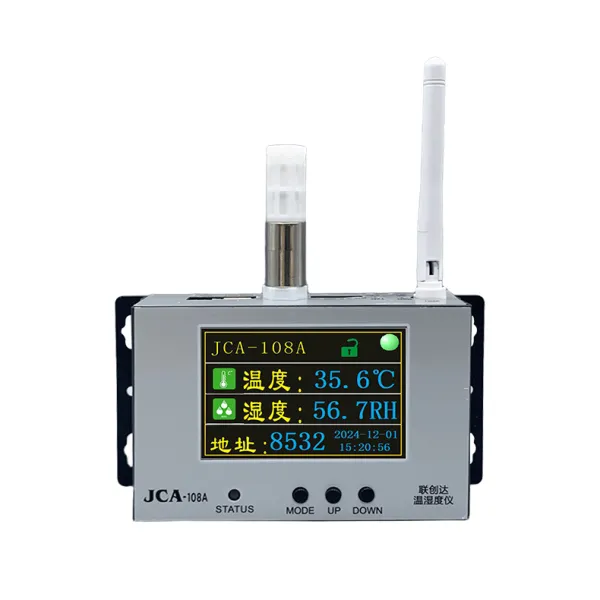 เครื่องตรวจวัดอุณหภูมิและความชื้นไร้สาย - เครื่องบันทึกอัจฉริยะพร้อมการสืบค้นระยะไกลและการส่งข้อมูล
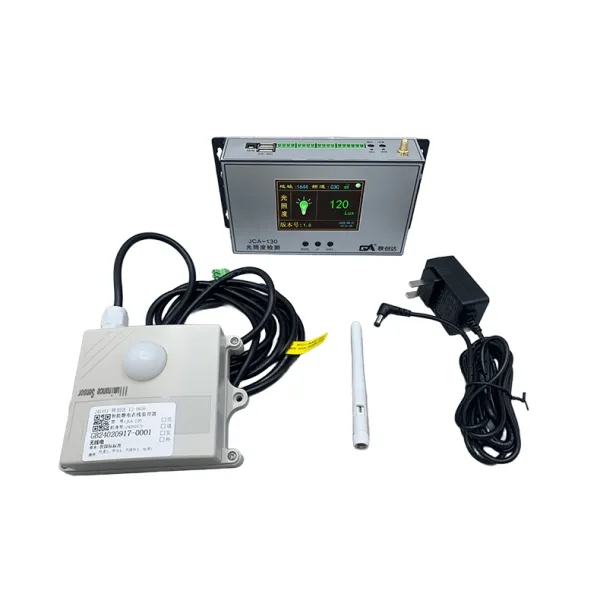 Lianchuangda เครื่องทดสอบความสว่างจอแสดงผลดิจิตอลไร้สาย - หน้าจอสี LCD ขนาด 3.5 นิ้วจอแสดงผลแบบไดนามิกเครื่องทดสอบสิ่งแวดล้อมที่มีความแม่นยำสูง



 วอทส์แอพพ์
 โทรศัพท์
ความคิดเห็น
(0)