Of course! Here is a complete guide to how an electrostatic (static charge) tester works, broken down from the basic principle to the intricate details.
The Short Answer (In a Nutshell)
An Electrostatic tester, also known as an electrostatic fieldmeter or static locator, works by detecting the invisible electric field that surrounds any electrically charged object. It doesn't need to touch the object directly. Instead, it uses a sensor to measure the strength and polarity (positive or negative) of this field and converts that measurement into a readable value (usually in volts or kilovolts) on a display.
The Core Scientific Principle: Coulomb's Law & Electric Fields
To truly understand how the tester works, we need to start with the fundamental physics:
Static Electricity: When two materials rub together (like a person walking on a carpet), electrons are transferred from one material to the other. The material that loses electrons becomes positively charged, and the one that gains electrons becomes negatively charged.
Electric Field: This imbalance of charge creates an Electric Field. Think of it as an invisible force field radiating outward from the charged object. The strength of this field is directly proportional to the amount of charge (Coulomb's Law).
The Tester's Job: The electroStatic Tester is designed to "feel" the strength and direction of this invisible electric field.
How the Tester "Feels" the Electric Field: The Sensing Technology
Most handheld electrostatic testers use a measurement technique called the Vibrating Plate or Chopper Method. Here’s a step-by-step breakdown of what happens inside the device:
Step 1: The Sensor
At the front of the tester is a sensitive metal plate or probe, which is exposed to the electric field you want to measure.
Step 2: The Vibration
This sensor plate is mechanically vibrated (it moves back and forth very rapidly). This is a crucial step.
Step 3: Induction
As the sensor plate vibrates, its distance from the charged object is constantly changing.
When it moves closer to the charged object, the electric field induces an opposite charge on the sensor plate.
When it moves farther away, the induced charge decreases.
This constant back-and-forth movement creates a tiny, alternating current (AC) signal inside the sensor. The strength of this AC signal is directly proportional to the strength of the external electric field.
Step 4: Signal Processing
The weak AC signal from the sensor is then:
Amplified: Boosted to a usable level.
Processed: The device's internal electronics analyze the signal.
Converted: The processed signal is converted into a digital reading.
Step 5: Display
The final reading is displayed on the screen, showing the voltage (e.g., +5.2 kV or -250 V) of the object being measured. The polarity (positive or negative) is determined by the phase of the induced AC signal.
Analogy: Imagine you're standing still and someone is waving a powerful magnet back and forth near a coil of wire. This would induce an electric current in the wire. The electrostatic tester works similarly, but instead of a magnet, it's the electric field from a charged object, and instead of moving the field, the sensor itself is vibrating.
Key Components of an Electrostatic Tester
Sensor Probe/Plate: The "antenna" that detects the electric field.
Vibrating Mechanism: A small piezoelectric or electromagnetic component that makes the sensor vibrate.
Signal Conditioning Circuitry: Amplifies and filters the tiny induced signal.
Microprocessor: The brain that calculates the field strength and polarity.
Display (LCD/LED): Shows the numerical voltage reading and polarity.
Power Source: Typically a battery.
How to Use an Electrostatic Tester Correctly
Using one is simple, but technique matters for an accurate reading.
Turn On and Zero the Meter: Ensure the display reads zero in a neutral environment, away from any obvious charged objects. Some meters have a "zero" button.
Know Your Distance: This is the most critical factor. The electric field strength drops with the square of the distance. The reading is only accurate at the distance specified by the manufacturer (e.g., 1 inch or 25 mm). Always maintain this exact distance.
Aim and Hold Steady: Point the sensor directly at the object you want to measure. Keep your hand and body steady to prevent distance variations.
Read the Value: The display will show the voltage and polarity. A "+" indicates a positive charge (deficit of electrons), and a "-" indicates a negative charge (excess of electrons).
Common Applications and Industries
Electrostatic testers are vital tools anywhere uncontrolled static is a problem.
Electronics Manufacturing (ESD Control): Testing workstations, mats, wrist straps, and components to prevent Electrostatic Discharge (ESD) that can destroy sensitive microchips.
Packaging and Plastics: Measuring static on film, sheets, and containers that can cause jams, attract dust, or create sparks in hazardous environments.
Printing & Paper: Identifying static that leads to paper jams, misfeeds, or poor print quality.
Textiles and Nonwovens: Checking for static in fibers and fabrics during production processes.
Healthcare and Cleanrooms: Ensuring a static-free environment where dust attraction or sparking could contaminate products or data.
Limitations and Important Considerations
Distance is Critical: As mentioned, a small change in distance causes a large change in the reading.
Ground Plane Effect: The reading can be influenced by nearby grounded objects. For the most accurate measurement of a specific item, it's best to isolate it.
Field Distortion: The tester itself can distort the electric field it's trying to measure. This is accounted for in the design, but it's a fundamental physical limitation.
Not for Conductors in Circuit: It measures surface voltage, not the actual charge on a conductor that may be part of a circuit.
Conclusion
An electrostatic tester is a sophisticated application of fundamental physics. By using a vibrating sensor to convert an invisible electric field into a measurable electrical signal, it provides a crucial window into the world of static electricity. This allows industries to control a force that, while often imperceptible to humans, can have a massive impact on quality, safety, and productivity.


 English
 Español
 Portugues
 Pусский
 Français
 Deutsch
 日本語
日本語 한국어
한국어 العربية
 Italiano
 Nederlands
 Polski
 Türk dili
 हिन्दी
 Indonesia
 Melayu
 Tiếng Việt
 বাংলা
বাংলা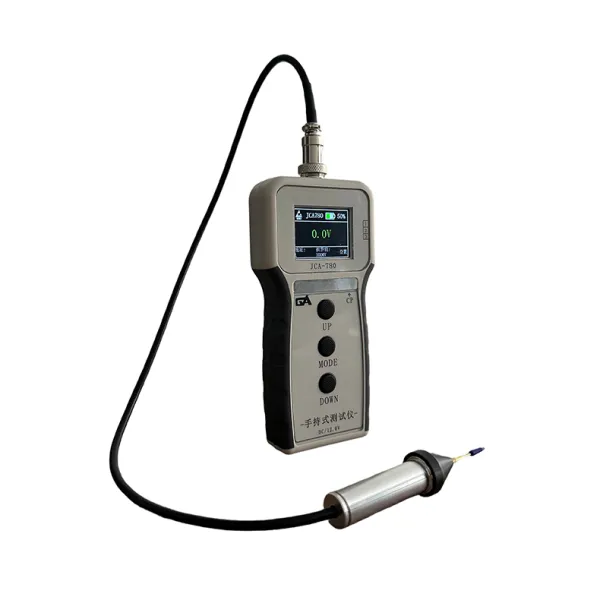 Portable Compact Isolated Conductor Tester - Precise Static Voltage Meter with Touchscreen Operation
 Touch-Operated Handheld ESD Tester - Accurate Static Detection Instrument
 Anti-Static High-Frequency Smart Soldering Station - Industrial-Grade Lead-Free Soldering Iron for Electronic Repair
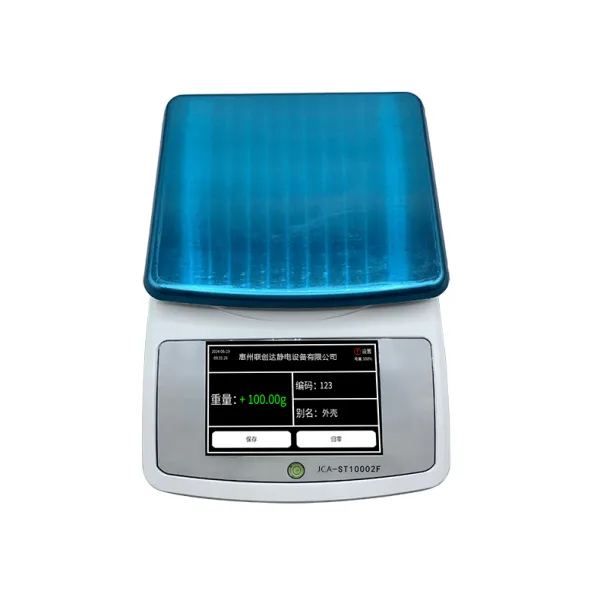 Lightweight Precision Industrial Scale - Portable High-Precision Weighing, QR Code Data Recording
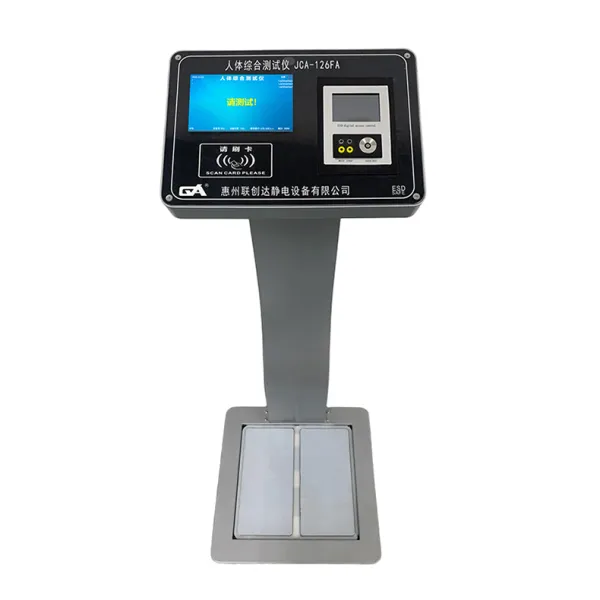 Pro ESD Human Body Comprehensive Tester - Anti-Static Access Gate with Biometric & Card Recognition
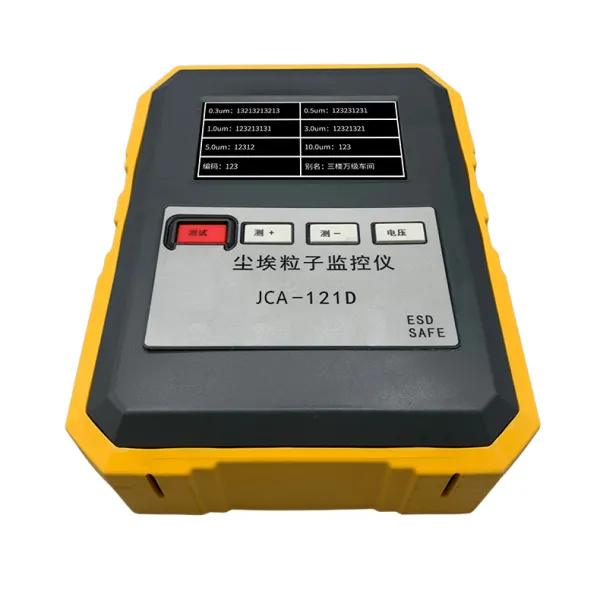 Lianchuangda Portable Particle Counter - Cleanroom-Specific Air Cleanliness Tester
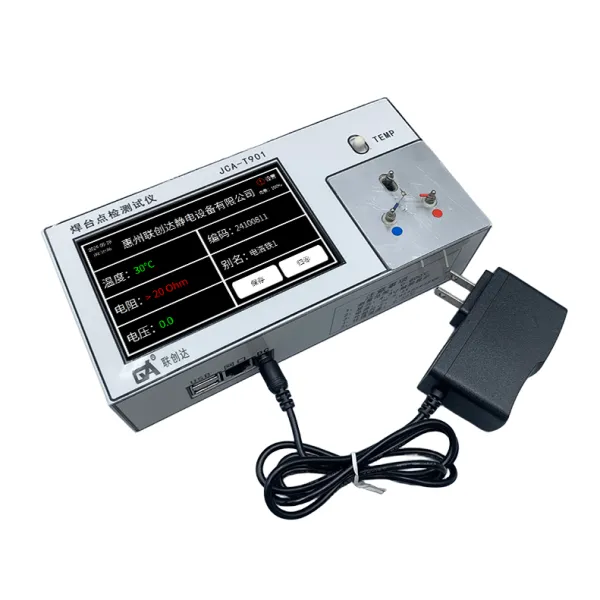 Lianchuangda Environmental Pressure Tester Wireless Digital Display & Grounding Monitoring
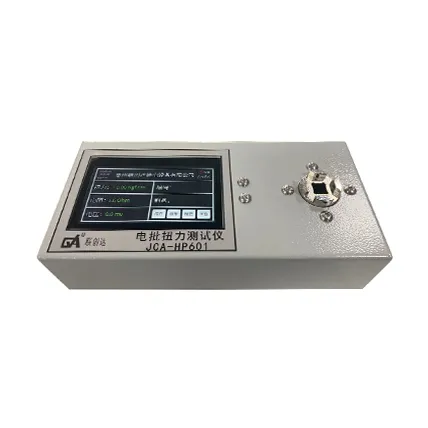 Digital Electric Screwdriver Torque Tester - Precise Measurement, Smart Data Storage
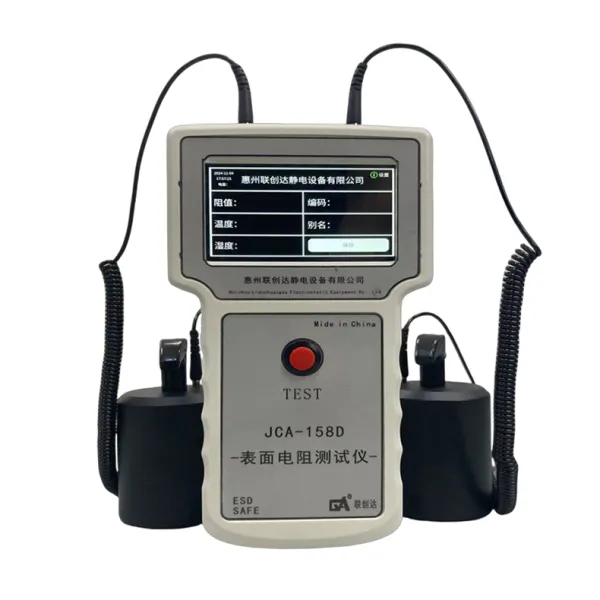 Portable Hammer Surface Resistance Tester - Smart Industrial Megohmmeter with Data Networking
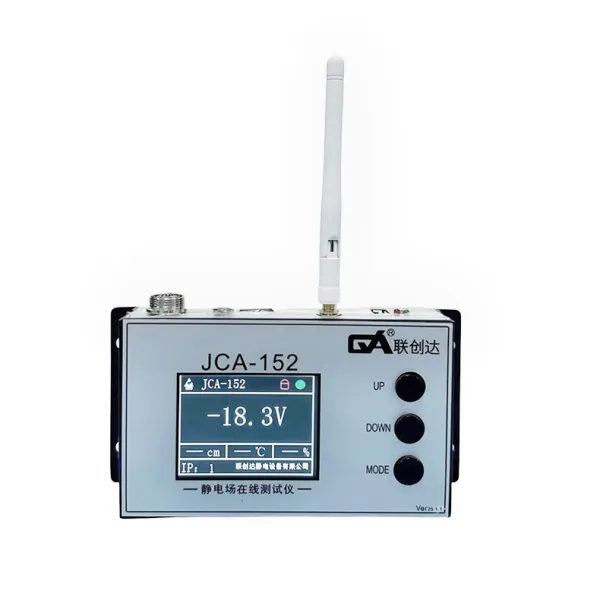 Wireless ESD Field Tester - Real-Time Voltage Monitoring, Easy Installation & Visual Operation
 Color Screen Wireless Ion Fan Static Tester with Voltage Measurement & Data Transmissio
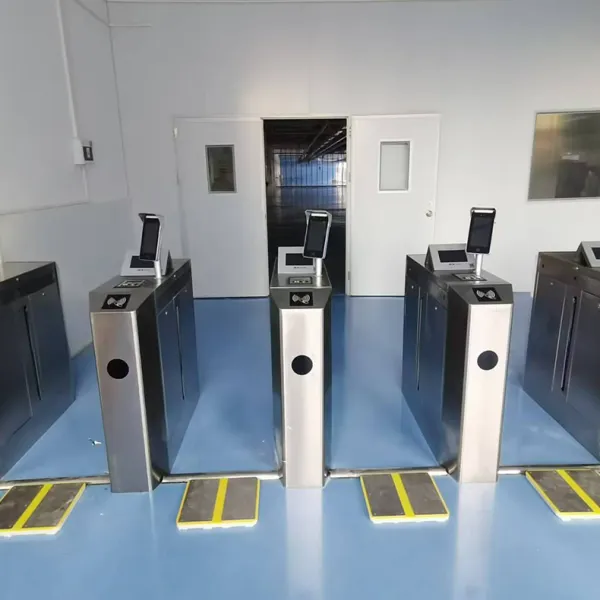 Lianchuangda Test Anti-static Access Control Turnstile JCA-S106 Supports MySQL Database
 Suspended 3-Head DC Ion Fan - Smart Quiet Static Eliminator, Customizable
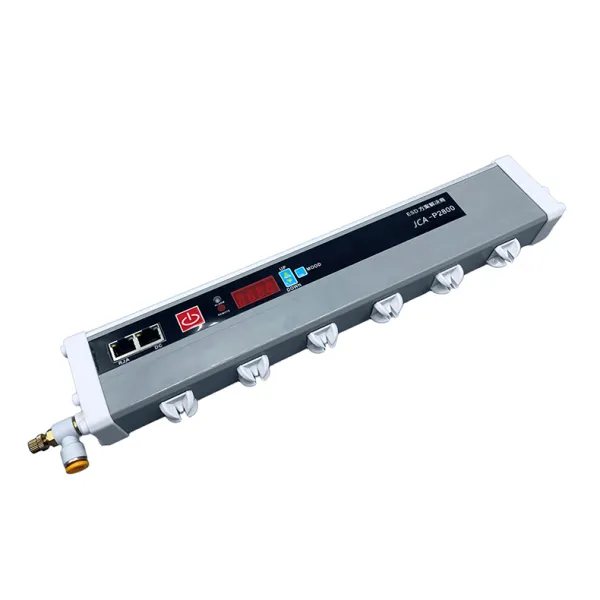 Pulse-Type ESD Ion Air Bar - Industrial-Specific Static Eliminator for ESD Removal
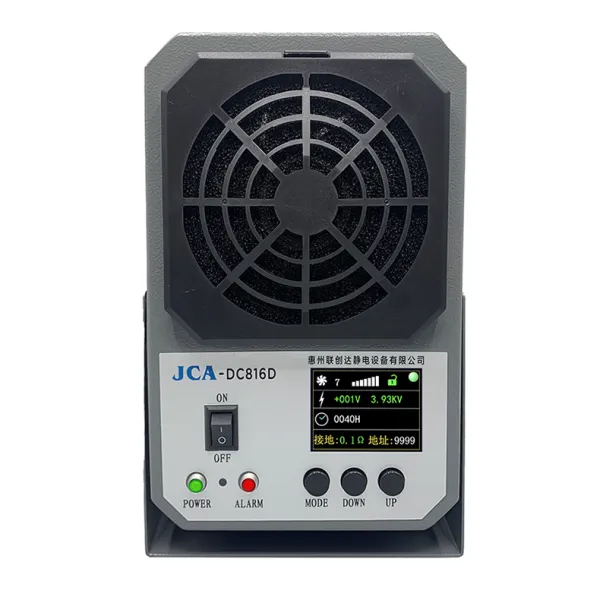 Lianchuangda Smart DC Ion Fan - Industrial-Grade Static Elimination for Factory Workshops
 Desktop DC Single-Head Ion Fan - Professional Static Eliminator with Wireless Network Connectivity
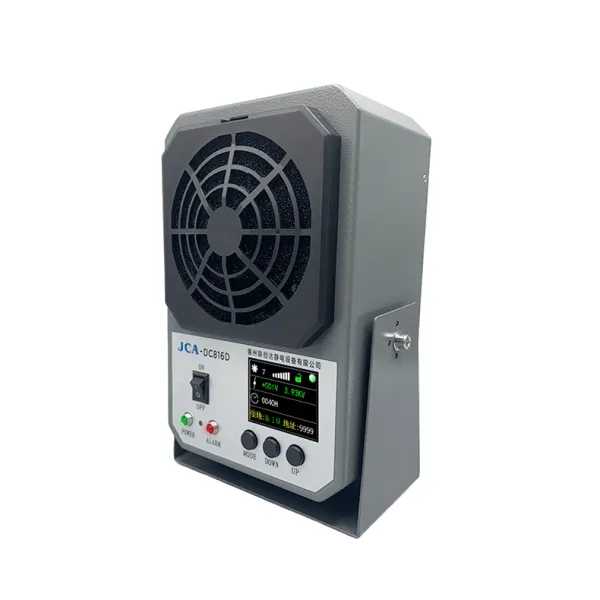 Intelligent DC Ion Fan Manufacturer Workshop Electronic Anti-Static Industrial-Grade Static Elimination Equipment
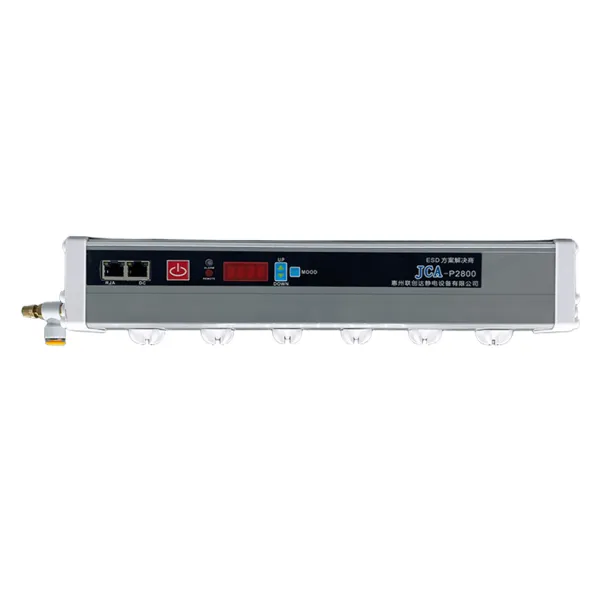 Industrial Static Elimination Pulse-type Anti-static Ion Air Bar Static Eliminator
 2.2-inch color screen three-air outlet ion fan static protection eliminates static electricity
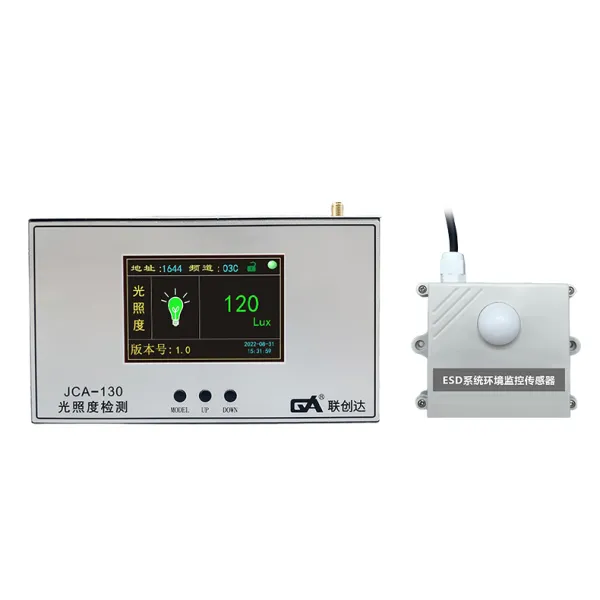 3.5 Inch Color LCD Wireless Digital Lux Meter - High-Precision Environmental Detector with Network Connectivity
 Smart Wireless Noise Detection Alarm System - Digital Tester for Environmental Monitoring with Networking
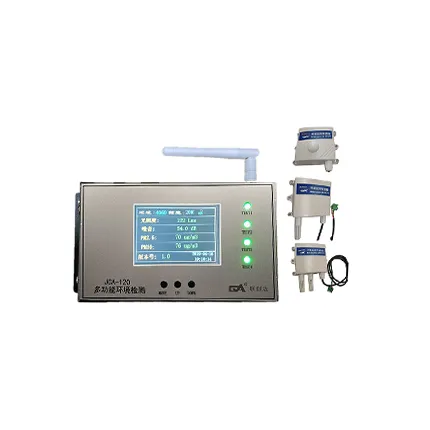 3.5 Inch Color LCD Wireless Multi-Functional Environmental Detector - Dust Particle Tester with WiFi Connectivity
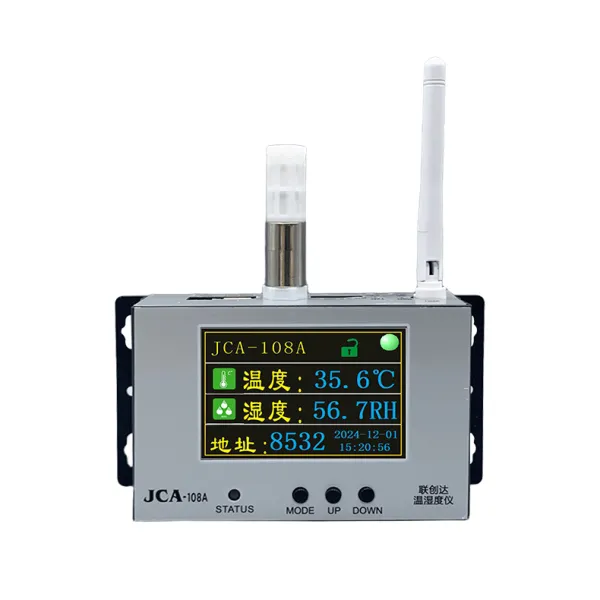 Wireless Temperature & Humidity Monitor - Smart Recorder with Remote Query & Data Transmission
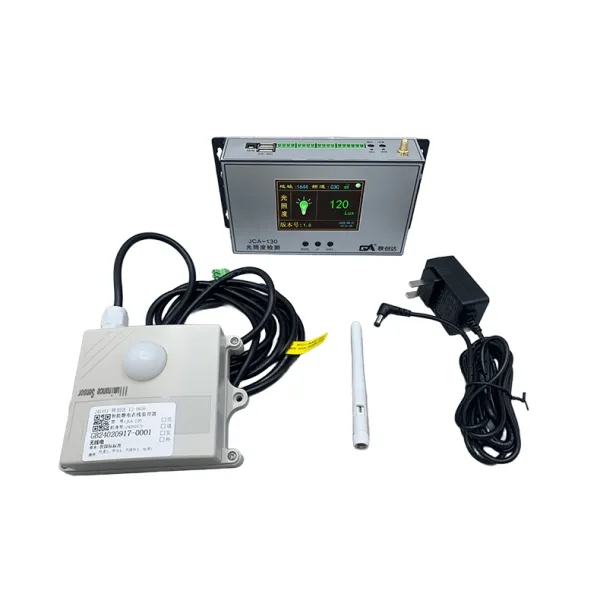 Lianchuangda Wireless Digital Display Illuminance Tester - 3.5-inch LCD Color Screen Dynamic Display High-Precision Environmental Tester



 วอทส์แอพพ์
 โทรศัพท์
ความคิดเห็น
(0)