Do Air Ionizers Actually Work? A Technical Evaluation
Industry Background and Market Demand
The global air purification market has expanded significantly in recent years, driven by heightened awareness of indoor air quality (IAQ) and health concerns. Among the technologies available, air ionizers have gained attention for their ability to remove airborne particles without traditional HEPA filters. However, skepticism persists regarding their efficacy, particularly in commercial and industrial settings where performance metrics are critical.
Demand for ionizers has surged in sectors such as healthcare, manufacturing, and office environments, where reducing particulate matter (PM2.5, PM10) and volatile organic compounds (VOCs) is a priority. Unlike mechanical filtration systems, ionizers claim to neutralize pollutants through electrostatic precipitation, offering lower maintenance costs and energy efficiency. Yet, questions remain about their real-world effectiveness compared to established alternatives.
Core Technology: How Air Ionizers Function
Air ionizers operate by emitting negatively or positively charged ions into the air. These ions attach to airborne particles, causing them to cluster and either settle out of the air or be attracted to oppositely charged collection plates. Two primary mechanisms are at work:
1. Electrostatic Precipitation – Charged particles adhere to surfaces or collector plates, effectively removing them from circulation.
2. Bipolar Ionization – Some advanced systems generate both positive and negative ions, which react with pollutants like VOCs and pathogens, breaking them down into harmless compounds.
Unlike HEPA filters, which physically trap particles, ionizers rely on chemical and electrostatic interactions. This distinction raises key considerations about efficiency, byproduct formation, and long-term performance.
Product Structure and Key Performance Factors
A typical air ionizer consists of:
- Ion Generation Unit – Uses corona discharge or UV light to produce ions.
- Power Supply – Determines ion output and energy consumption.
- Collection Plates (if applicable) – Capture charged particles in electrostatic precipitators.
Performance depends on several factors:
- Ion Density – Higher ion output improves pollutant removal but may increase ozone production.
- Airflow Rate – Must be balanced to allow sufficient ion-particle interaction.
- Particle Size Sensitivity – Effectiveness varies for ultrafine particles (<0.1 µm) versus larger dust particles.
Material selection also impacts durability. For example, electrodes made from tungsten or stainless steel resist corrosion better than cheaper alternatives.
Critical Factors Affecting Efficacy
1. Ozone Emissions – Some ionizers generate ozone, a lung irritant, as a byproduct. Regulatory standards (e.g., California’s CARB) limit ozone output to <0.05 ppm.
2. Maintenance Requirements – Collection plates require regular cleaning to maintain efficiency.
3. Room Size and Ventilation – Ionizers perform best in enclosed spaces with controlled airflow.
4. Pollutant Type – Effective against particulates but less so against gases unless combined with photocatalytic oxidation.
Supply Chain and Vendor Selection
For B2B buyers, selecting a reliable ionizer supplier involves evaluating:
- Compliance Certifications – UL, CE, or CARB certifications ensure safety and performance.
- Ozone-Free Technology – Vendors should provide third-party test data.
- Customization Options – Scalability for large industrial spaces versus smaller office units.
Leading manufacturers differentiate themselves with proprietary ionization methods, such as needlepoint bipolar ionization or cold plasma systems.
Common Challenges and Industry Pain Points
1. Mixed Performance Data – Studies show varying results, with some reporting >90% particulate reduction and others minimal impact.
2. Byproduct Concerns – Poorly designed ionizers may emit harmful ozone or formaldehyde.
3. Consumer Misinformation – Marketing claims often exaggerate capabilities, leading to unrealistic expectations.
Applications and Case Studies
- Healthcare – Hospitals use ionizers to reduce airborne pathogens, though results depend on system calibration.
- Manufacturing – Factories employ electrostatic precipitators to capture dust and fumes.
- Commercial HVAC – Integrated ionization modules enhance existing filtration in office buildings.
A 2022 study in a dental clinic found that bipolar ionization reduced aerosolized bacteria by 78% when combined with mechanical filtration.
Current Trends and Future Outlook
1. Hybrid Systems – Combining ionizers with HEPA or activated carbon filters improves overall efficacy.
2. Smart Ionizers – IoT-enabled devices monitor air quality in real time and adjust ion output dynamically.
3. Green Certification Demand – Buyers increasingly prioritize low-energy, ozone-free models.
Future advancements may focus on targeted ionization for specific pollutants, such as neutralizing viruses without affecting ambient air chemistry.
FAQ
Q: Do ionizers eliminate odors?
A: They can break down some VOCs causing odors, but results vary. For strong smells, hybrid systems with carbon filters are more effective.
Q: How often should collection plates be cleaned?
A: In high-pollution environments, weekly cleaning may be necessary; otherwise, monthly maintenance suffices.
Q: Are ionizers safe for asthma sufferers?
A: Ozone-free models are generally safe, but those emitting ozone may exacerbate respiratory conditions.
Q: Can ionizers replace HEPA filters entirely?
A: Unlikely—ionizers complement but do not fully substitute mechanical filtration for sub-micron particles.
Conclusion
Air ionizers can be effective in specific scenarios, particularly when integrated with other air purification technologies. However, their performance hinges on proper design, maintenance, and environmental conditions. For B2B buyers, due diligence in vendor selection and system validation is critical to achieving measurable IAQ improvements.


 English
 Español
 Portugues
 Pусский
 Français
 Deutsch
 日本語
日本語 한국어
한국어 العربية
 Italiano
 Nederlands
 Polski
 Türk dili
 हिन्दी
 Indonesia
 Melayu
 Tiếng Việt
 বাংলা
বাংলা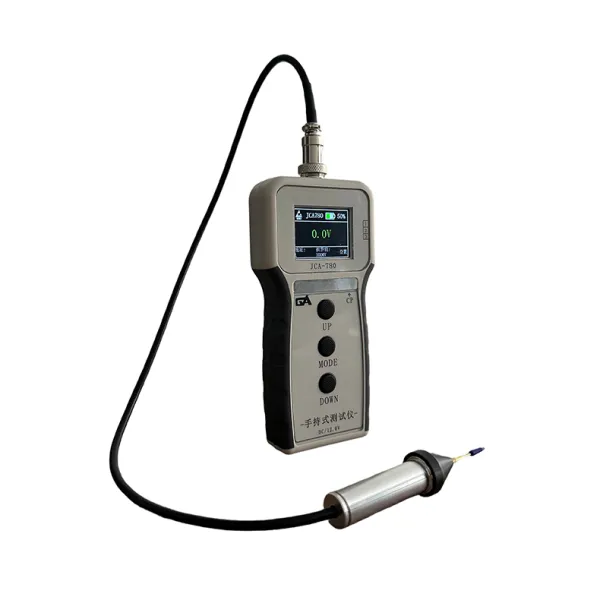 เครื่องทดสอบตัวนำไฟฟ้าแบบแยกขนาดกะทัดรัดแบบพกพา - มิเตอร์วัดแรงดันไฟฟ้าคงที่ที่แม่นยำพร้อมการทำงานแบบหน้าจอสัมผัส
 เครื่องทดสอบ ESD แบบพกพาแบบสัมผัส - เครื่องมือตรวจจับไฟฟ้าสถิตที่แม่นยำ
 สถานีบัดกรีอัจฉริยะความถี่สูงป้องกันไฟฟ้าสถิต - หัวแร้งไร้สารตะกั่วเกรดอุตสาหกรรมสำหรับการซ่อมทางอิเล็กทรอนิกส์
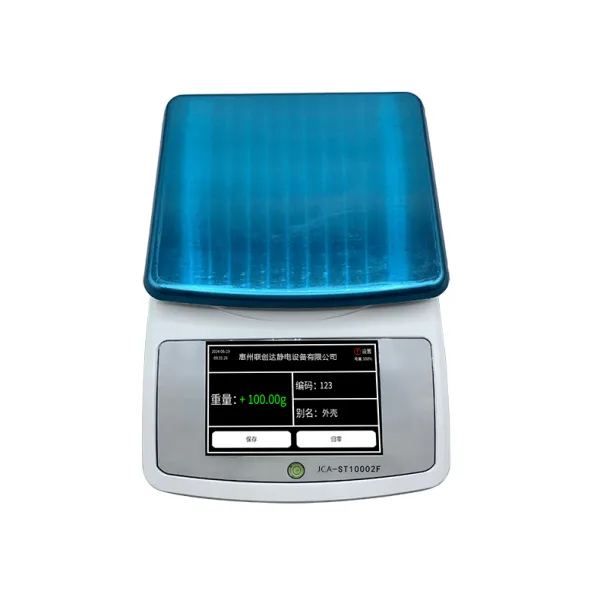 เครื่องชั่งอุตสาหกรรมที่มีความแม่นยำน้ำหนักเบา - การชั่งน้ำหนักความแม่นยำสูงแบบพกพา การบันทึกข้อมูลรหัส QR
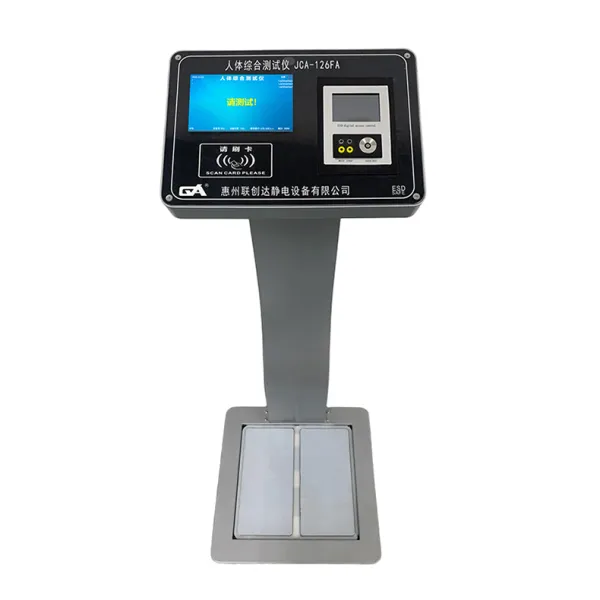 เครื่องมือทดสอบที่ครอบคลุมร่างกายมนุษย์ Pro ESD - ประตูทางเข้าป้องกันไฟฟ้าสถิตพร้อมระบบจดจำไบโอเมตริกซ์และการ์ด
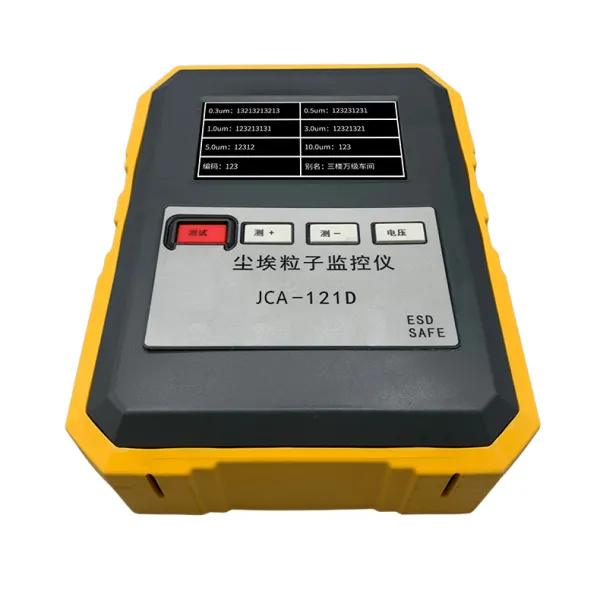 Lianchuangda Portable Particle Counter - เครื่องทดสอบความสะอาดอากาศเฉพาะห้องคลีนรูม
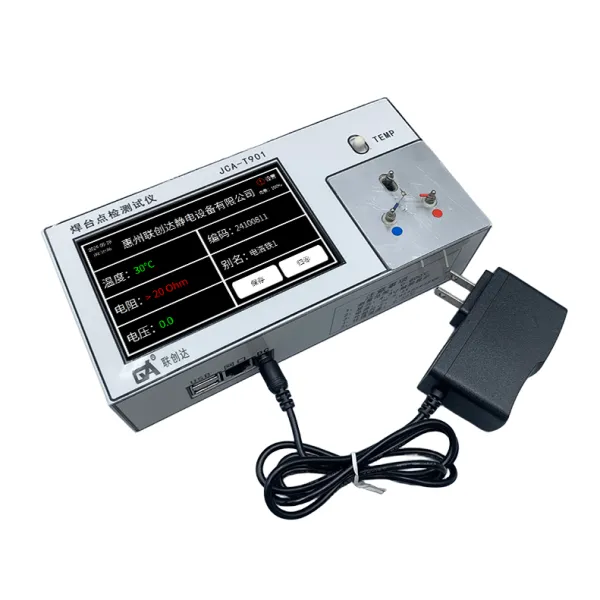 Lianchuangda เครื่องทดสอบความดันสิ่งแวดล้อมจอแสดงผลดิจิตอลไร้สายและการตรวจสอบสายดิน
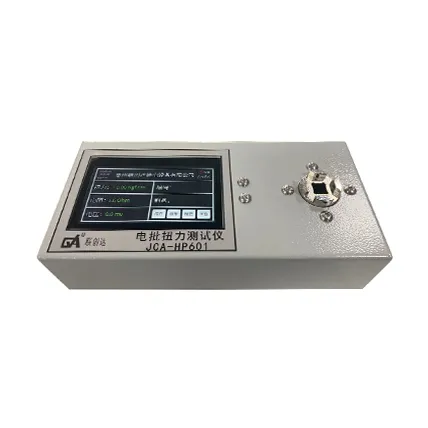 เครื่องทดสอบแรงบิดไขควงไฟฟ้าแบบดิจิตอล - การวัดที่แม่นยำ การจัดเก็บข้อมูลอัจฉริยะ
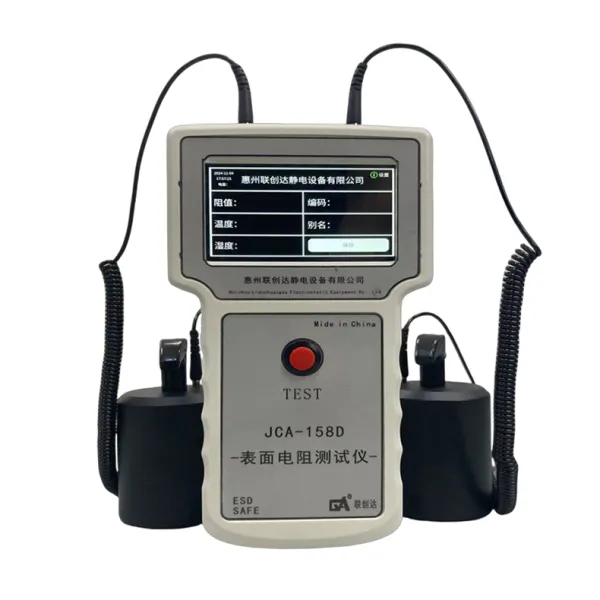 เครื่องทดสอบความต้านทานพื้นผิวค้อนแบบพกพา - เมกะโอห์มมิเตอร์อุตสาหกรรมอัจฉริยะพร้อมระบบเครือข่ายข้อมูล
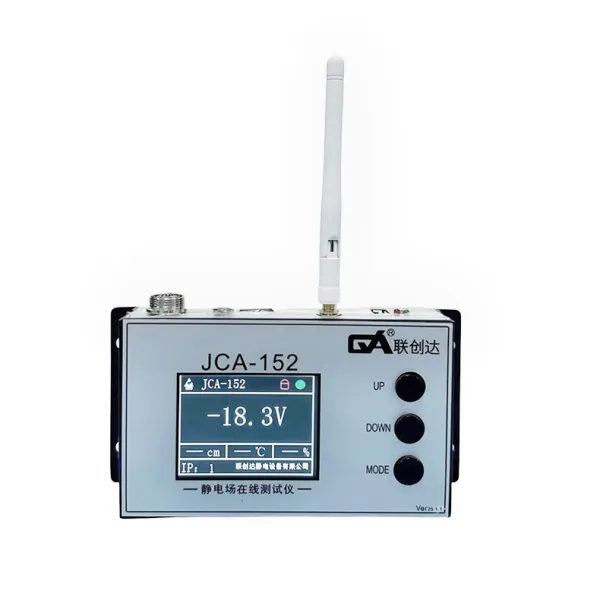 เครื่องมือทดสอบภาคสนาม ESD แบบไร้สาย - การตรวจสอบแรงดันไฟฟ้าแบบเรียลไทม์ ติดตั้งง่าย และการใช้งานด้วยภาพ
 เครื่องทดสอบไฟฟ้าสถิตพัดลมไอออนไร้สายหน้าจอสีพร้อมการวัดแรงดันไฟฟ้าและการส่งข้อมูล
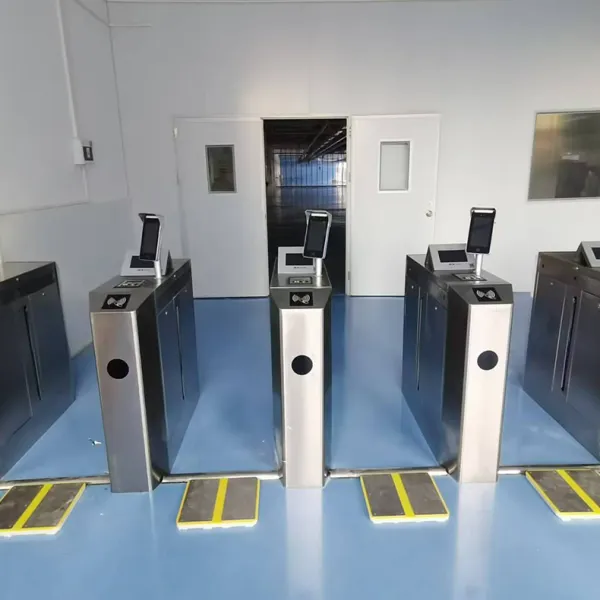 Lianchuangda Test ประตูหมุนควบคุมการเข้าถึงป้องกันไฟฟ้าสถิต JCA-S106 รองรับฐานข้อมูล MySQL
 พัดลมไอออน DC 3 หัวแบบแขวน - เครื่องกำจัดไฟฟ้าสถิตแบบเงียบอัจฉริยะ ปรับแต่งได้
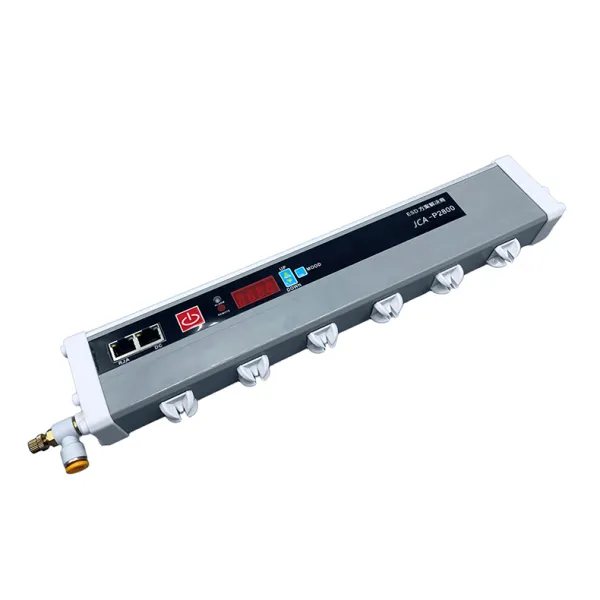 แถบอากาศไอออน ESD ชนิดพัลส์ - เครื่องกำจัดไฟฟ้าสถิตเฉพาะทางอุตสาหกรรมสำหรับการกำจัด ESD
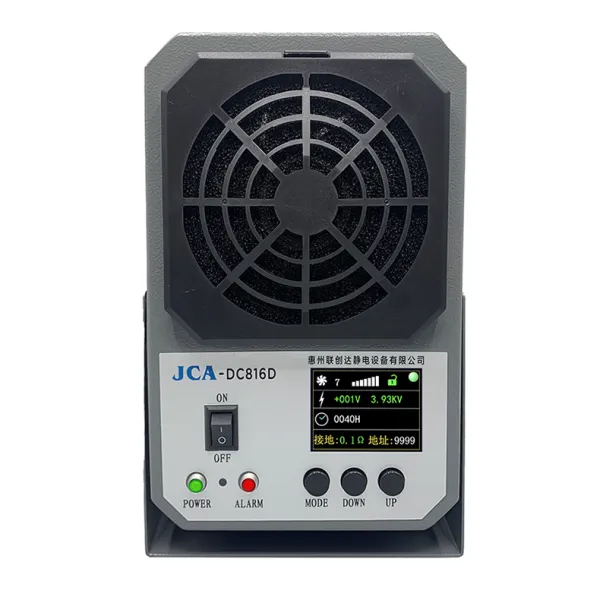 พัดลมไอออน DC อัจฉริยะ Lianchuangda - เครื่องกำจัดไฟฟ้าสถิตระดับอุตสาหกรรมสำหรับโรงงาน
 พัดลมไอออนแบบหัวเดียว DC ตั้งโต๊ะ - เครื่องกำจัดไฟฟ้าสถิตระดับมืออาชีพพร้อมการเชื่อมต่อเครือข่ายไร้สาย
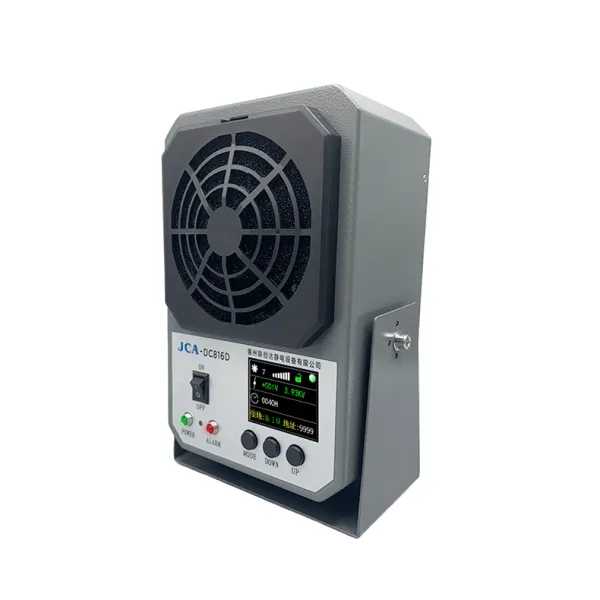 การประชุมเชิงปฏิบัติการผู้ผลิตพัดลมไอออน DC อัจฉริยะ อุปกรณ์กำจัดไฟฟ้าสถิตเกรดอุตสาหกรรมป้องกันไฟฟ้าสถิตย์แบบอิเล็กทรอนิกส์
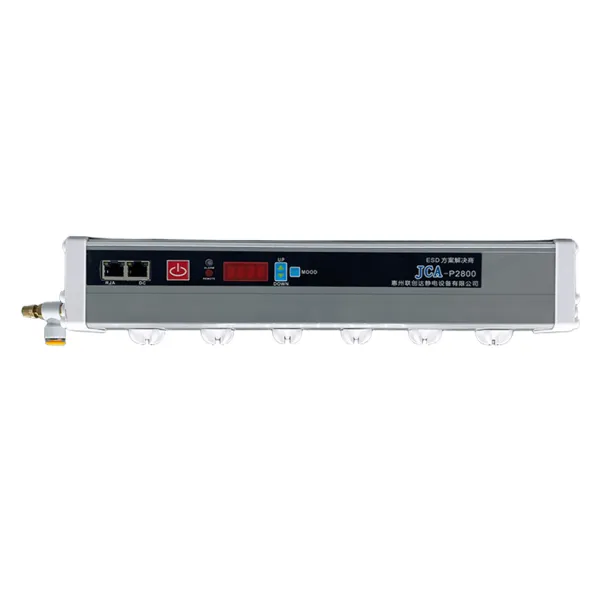 เครื่องกำจัดไฟฟ้าสถิตอุตสาหกรรม เครื่องกำจัดไฟฟ้าสถิตแบบแถบอากาศไอออนป้องกันไฟฟ้าสถิตแบบพัลส์
 หน้าจอสีขนาด 2.2 นิ้วพัดลมไอออนสามช่องลมป้องกันไฟฟ้าสถิตย์ช่วยลดไฟฟ้าสถิต
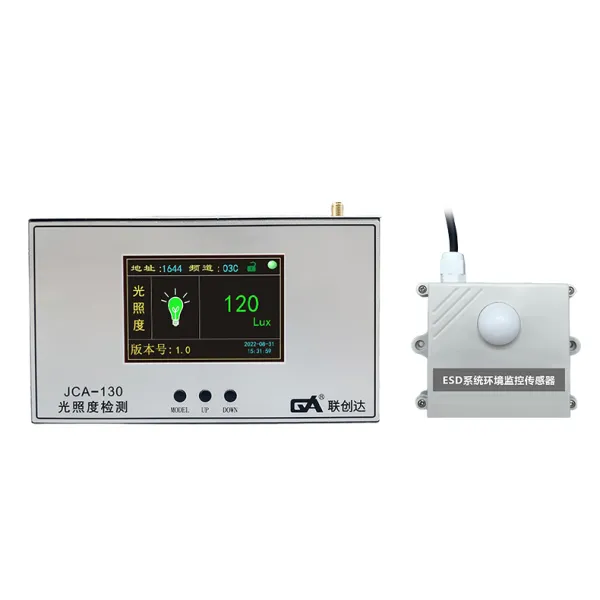 เครื่องวัดลักซ์ดิจิตอลไร้สายจอ LCD สีขนาด 3.5 นิ้ว - เครื่องตรวจจับสภาพแวดล้อมที่มีความแม่นยำสูงพร้อมการเชื่อมต่อเครือข่าย
 ระบบแจ้งเตือนการตรวจจับเสียงรบกวนไร้สายอัจฉริยะ - เครื่องมือทดสอบดิจิตอลสำหรับการตรวจสอบสภาพแวดล้อมด้วยระบบเครือข่าย
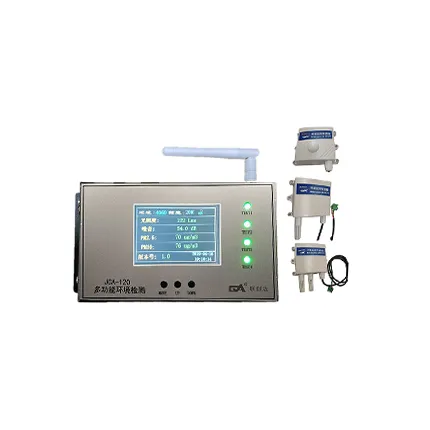 เครื่องตรวจจับสิ่งแวดล้อมอเนกประสงค์ไร้สาย LCD สีขนาด 3.5 นิ้ว - เครื่องทดสอบอนุภาคฝุ่นพร้อมการเชื่อมต่อ WiFi
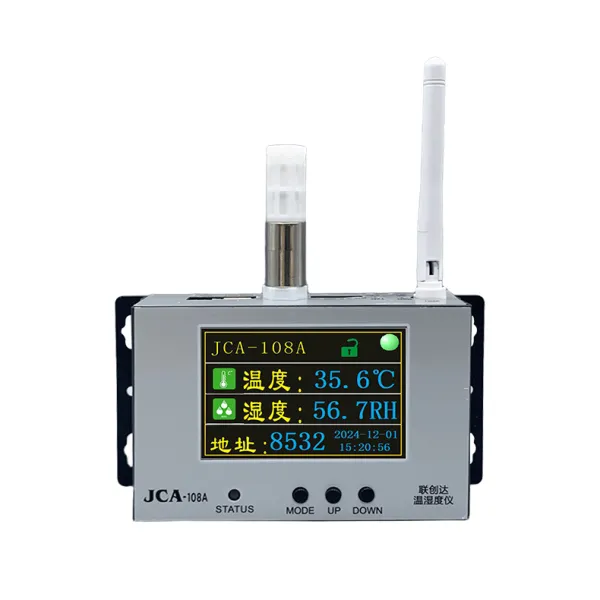 เครื่องตรวจวัดอุณหภูมิและความชื้นไร้สาย - เครื่องบันทึกอัจฉริยะพร้อมการสืบค้นระยะไกลและการส่งข้อมูล
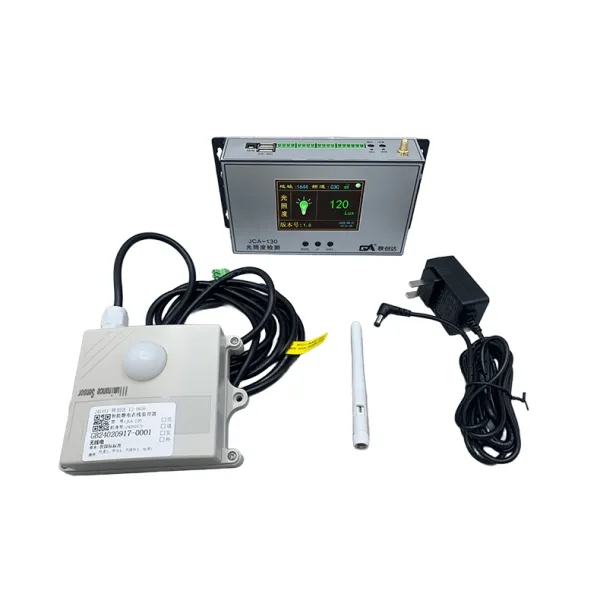 Lianchuangda เครื่องทดสอบความสว่างจอแสดงผลดิจิตอลไร้สาย - หน้าจอสี LCD ขนาด 3.5 นิ้วจอแสดงผลแบบไดนามิกเครื่องทดสอบสิ่งแวดล้อมที่มีความแม่นยำสูง





 วอทส์แอพพ์
 โทรศัพท์
ความคิดเห็น
(0)